Unveiling the World of Fake Money: How to Identify Fake but Real Looking Money and Its Legal Implications
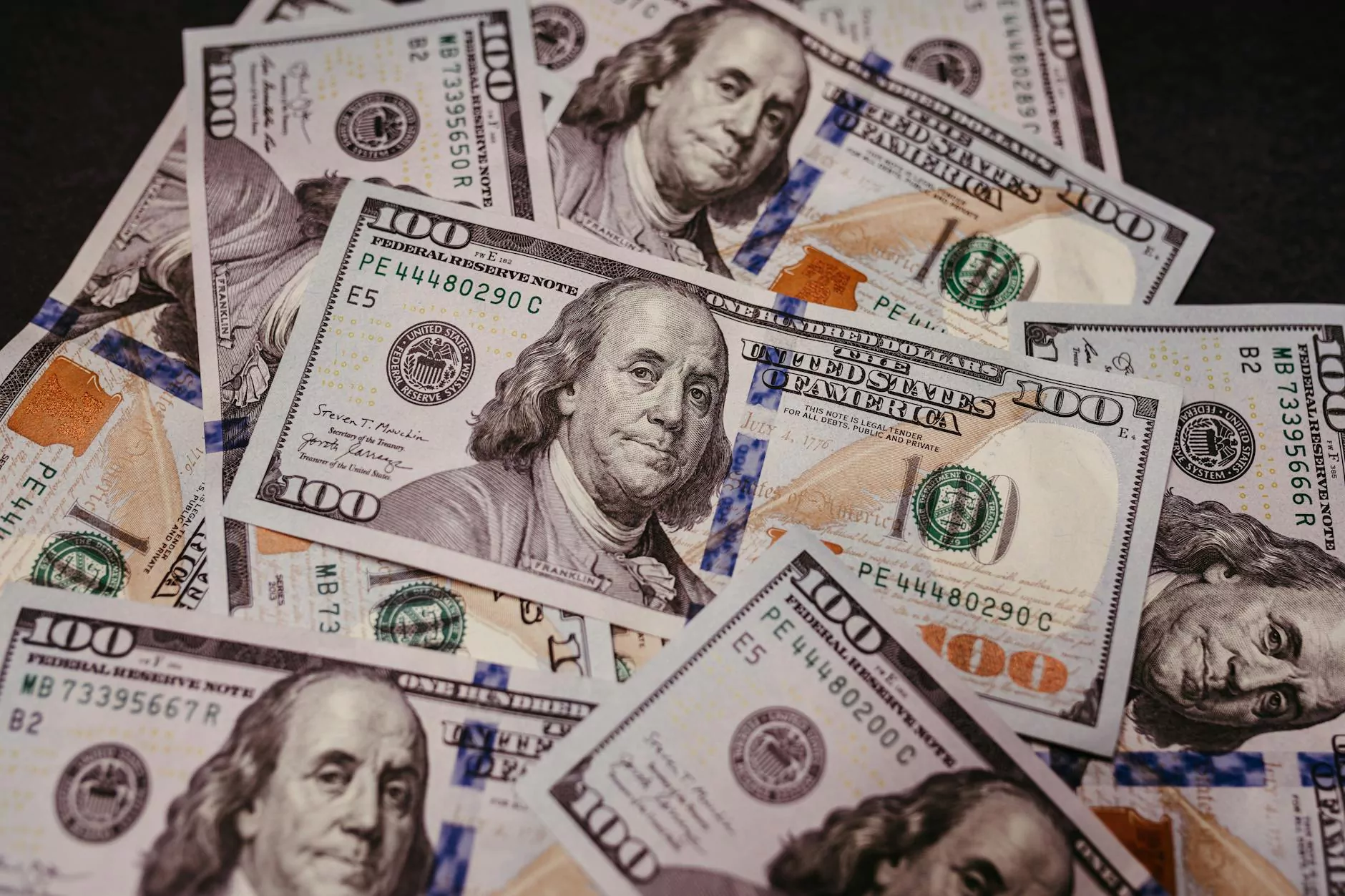
In today's fast-paced global economy, the issue of counterfeit currency persists as a significant concern for businesses, individuals, and law enforcement agencies alike. With advances in printing and imaging technology, fake but real looking money has become increasingly sophisticated, presenting a challenge for those trying to distinguish genuine notes from forgeries. This comprehensive guide explores the multifaceted world of fake money, detailing the nature of counterfeit bills, the techniques used to produce them, methods for identification, legal considerations, and responsible handling.
Understanding Fake Money: An Overview of Counterfeit Currency
Counterfeit currency, commonly known as fake money, refers to imitation banknotes produced with the intent to deceive recipients into accepting it as genuine. Modern counterfeiters employ various techniques, ranging from simple photocopies to complex digital printing processes mimicking advanced security features. The term "fake but real looking money" highlights the remarkable visual resemblance such notes can have to legitimate currency, making detection increasingly difficult.
The Evolution of Counterfeit Currency: From Simple Imitations to High-Quality Fakes
The history of counterfeit currency reveals a constant arms race between counterfeiters and authorities aiming to prevent financial fraud. Initially, counterfeit bills were easily spotted due to lack of quality and poor printing. However, technological advancements—such as color-shifting inks, microtext, holographic images, and fiber security threads—have motivated counterfeiters to develop more sophisticated forgeries that often escape initial visual inspection.
Today, fake but real looking money can be produced using high-resolution printers, photo editing software, and even 3D printing, creating bills that mimic genuine security features with astonishing accuracy. This evolving threat underscores the importance of understanding and using expert identification techniques and technological tools to combat counterfeit currency effectively.
How to Identify Fake but Real Looking Money: Key Features and Techniques
Detecting fake but real looking money requires a keen eye and an understanding of security features embedded within genuine banknotes. Here are the primary methods and features to scrutinize when examining currency:
1. Feel and Texture
Genuine banknotes are printed on high-quality, specialized paper with a distinctive feel. Authentic notes often have a slightly rough or textured surface due to the special fibers used, which counterfeit paper cannot accurately replicate. Touching the bill should reveal a certain rigidity and a unique tactile experience.
2. Visual Inspection of Security Features
- Watermarks: Held up to light reveals an embedded, faint image matching the portrait or emblem on the note.
- Security Threads: Embedded vertical strip visible when held against light, often with microtext or appearing as a metallic or plastic strip.
- Color-Shifting Ink: Certain numerals or symbols change color when the note is tilted.
- Holograms and Transparent Windows: Especially in newer issues, holographic patches or transparent windows with intricate designs serve as effective security features.
- Microtext and Fine Line Printing: Tiny text and detailed lines, difficult to reproduce accurately, are present on genuine notes.
3. UV and Infrared Features
Using ultraviolet (UV) light or infrared (IR) scanners can reveal hidden features not visible to the naked eye. Genuine currency often exhibits fluorescent fibers or inks visible under UV light, while counterfeit bills may lack these features or display inconsistent fluorescence.
4. Magnification and Technical Devices
Employing magnifying glasses or specialized counterfeit detection tools allows for close examination of security features, microtext, and printing quality. High-quality fakes might mimic some visual features but often falter under magnification, revealing inconsistencies.
The Manufacturing of Fake but Real Looking Money: Techniques and Tools
Understanding how counterfeiters produce fake but real looking money aids in developing better detection strategies. Some of the prevalent techniques include:
- Digital Printing: Using high-resolution inkjet or laser printers to recreate the entire banknote, including the ink patterns and colors.
- Photocopying: Simple but increasingly ineffective due to the lack of security features and poor print quality.
- Offset Lithography: Mimics professional printing but requires access to advanced equipment.
- Overlay and Laminates: Adding holographic patches, overlays, or laminates to simulate genuine security features.
- Chemical and Inks Innovations: Using special inks such as UV-reactive, metallic, or color-shifting inks to enhance the authenticity of counterfeit notes.
The accessibility of these techniques allows counterfeiters to produce fake money that closely resembles genuine banknotes, emphasizing the importance of ongoing education and surveillance.
The Legal and Ethical Implications of Fake Money
The production, distribution, or possession of counterfeit currency carries severe legal penalties in most jurisdictions. Engaging with fake but real looking money—even unknowingly—can lead to criminal charges, fines, and imprisonment. It is *crucial* for individuals and businesses to understand the ethical boundaries surrounding currency handling.
Many companies involved in the manufacture and distribution of fake banknotes operate within gray legal zones, often claiming their products are intended for educational or novelty purposes. Nonetheless, misuse or illegal distribution of fake money can result in legal actions and damage reputations.
Responsible usage involves:
- Using counterfeit money strictly for educational demonstrations or artistic projects.
- Implementing advanced detection systems in businesses to prevent acceptance of fake banknotes.
- Educating staff and consumers about security features and detection techniques.
Legal Alternatives and Responsible Businesses in the Market
While the market for fake but real looking money exists, it is essential for buyers and sellers to operate legally. Reputable companies like undetectedbanknotes.com offer high-quality, legally produced mimicry products designed for legal uses such as:
- Movie and theatrical productions
- Educational training for law enforcement
- novelty and souvenir souvenirs for collectors
Engaging with licensed providers ensures compliance with applicable laws and prevents inadvertent involvement in illegal activities.
Future Trends and Innovations in Fake Money Detection and Security
The ongoing technological arms race necessitates future-facing solutions to combat fake but real looking money. Emerging trends include:
- Blockchain and Digital Currency Integration: Cryptocurrencies and digital tokens inherently reduce the prevalence of physical counterfeit money while opening new avenues for digital security.
- Enhanced Security Features: Incorporation of nano-textures, augmented reality features, and biometric security elements.
- AI-Powered Detection: Use of artificial intelligence and machine learning to analyze and detect counterfeit notes rapidly and accurately.
Businesses and law enforcement agencies must stay abreast of these innovations and adopt comprehensive security strategies to safeguard their financial transactions.
Conclusion: Navigating the Complex World of Counterfeit Currency
In conclusion, fake but real looking money represents a sophisticated challenge in the modern financial landscape. While counterfeiters employ advanced techniques to produce convincing fakes, empowered detection methods—combining visual inspection, technological tools, and legal awareness—are essential for identifying genuine currency and preventing fraud.
Responsible handling and ethical considerations are crucial. For legitimate uses, partnerships with trusted providers such as undetectedbanknotes.com offer legal, high-quality simulation products for entertainment, education, and training purposes. Awareness, vigilance, and ongoing innovation remain the pillars of staying ahead in this dynamic field.
Always remember: understanding security features, staying informed about new counterfeit techniques, and adhering to legal standards are vital in tackling the challenge of fake but real looking money effectively and ethically.