Comprehensive Guide to Surgical Myomectomy: A Leading Solution by Expert Obstetricians & Gynecologists
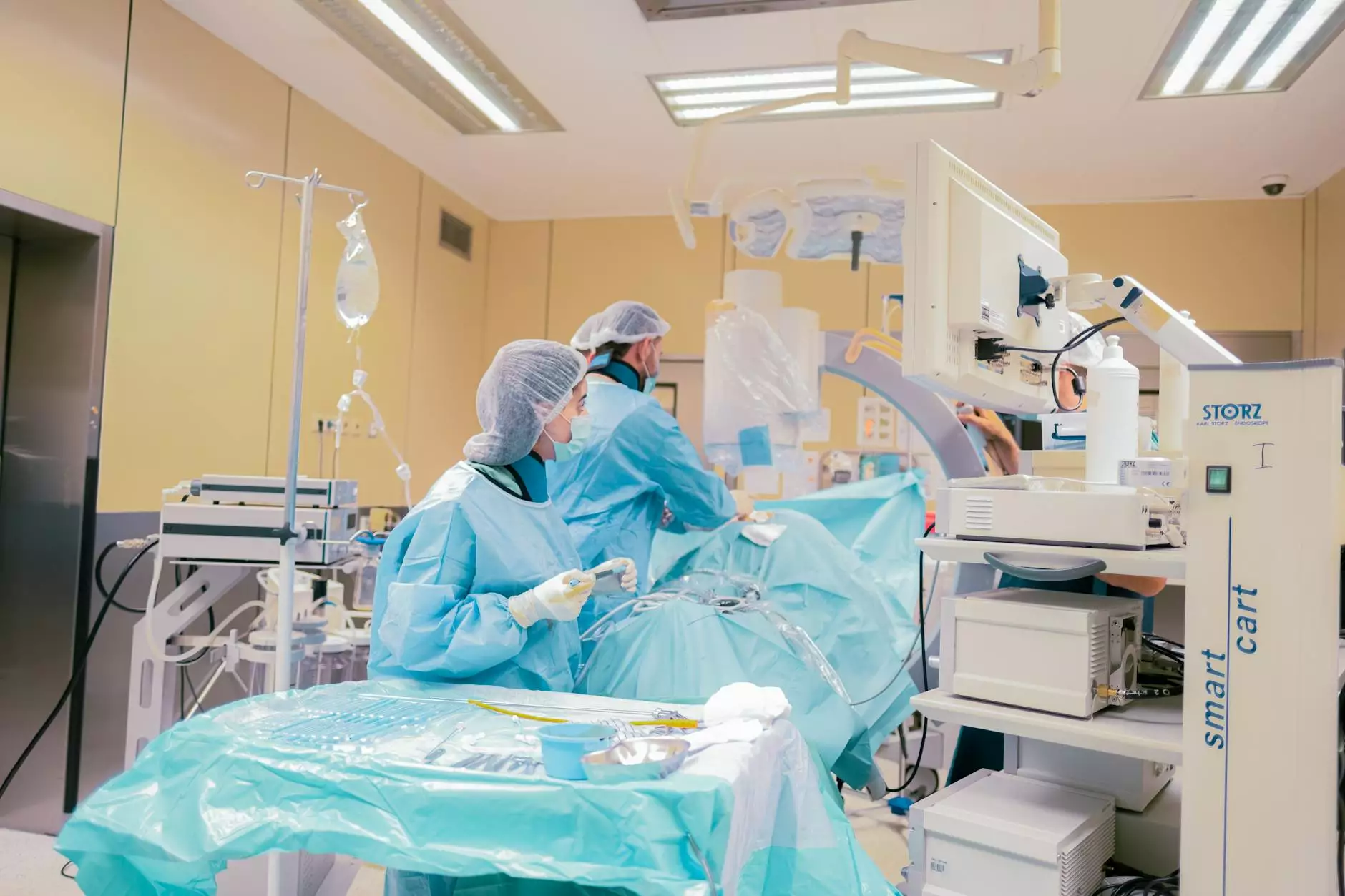
In the realm of women's health, *fibroid management* is a critical focus for many obstetricians & gynecologists aiming to improve quality of life and reproductive outcomes. Among various treatment modalities, surgical myomectomy stands out as a highly effective, uterus-preserving procedure designed to remove fibroids while maintaining fertility potential. This comprehensive guide explores every facet of surgical myomectomy, detailing its benefits, procedures, candidacy, recovery process, and the pivotal role of experienced obstetricians & gynecologists—such as those practicing at drseckin.com—in ensuring optimal results.
What is Surgical Myomectomy? An In-Depth Explanation
Surgical myomectomy is a specialized surgical procedure aimed at excising fibroids—also known as uterine leiomyomas—that develop within the uterine wall. Fibroids are benign smooth muscle tumors, often asymptomatic but sometimes causing severe symptoms such as heavy menstrual bleeding, pelvic pain, bladder pressure, and infertility. When non-invasive treatments are insufficient or unsuitable, surgical myomectomy offers a definitive solution that preserves the uterus and enhances reproductive prospects.
Types of Surgical Myomectomy: Tailoring Treatment to Fibroid Characteristics
- Hysteroscopic Myomectomy: Performed through the vagina and cervix, this minimally invasive approach is ideal for submucosal fibroids protruding into the uterine cavity.
- Laparoscopic Myomectomy: Using small abdominal incisions and a camera, this method is suitable for intracavitary and certain intramural fibroids, minimizing scars and recovery time.
- Open Myomectomy (Laparotomy): A traditional open surgery for large or multiple fibroids, offering direct access and visibility for extensive removal.
The Benefits of Choosing Surgical Myomectomy
Opting for surgical myomectomy provides numerous advantages, especially for women seeking to retain fertility or avoid hysterectomy. Key benefits include:
Preservation of Uterine Integrity
Unlike hysterectomy, surgical myomectomy preserves the uterus, maintaining the possibility of natural conception and pregnancy.
Symptom Relief
Patients often experience significant reduction in heavy menstrual bleeding, pelvic pain, and pressure after successful fibroid removal.
Customized Approach
The procedure can be tailored based on fibroid size, number, location, and patient reproductive goals, ensuring optimal outcomes.
Enhanced Reproductive Outcomes
Studies consistently demonstrate improved fertility and pregnancy rates following surgical myomectomy, especially for women with submucosal or intracavitary fibroids impacting implantation.
Who Are Ideal Candidates for Surgical Myomectomy?
Determining candidacy depends on several factors including fibroid characteristics, symptoms, age, and reproductive plans. Ideal candidates include:
- Women with symptomatic fibroids causing heavy bleeding, pain, or pressure
- Women experiencing infertility attributable to fibroids, especially submucosal types
- Patients with large or multiple fibroids unsuitable for nonsurgical treatments
- Women seeking to retain their uterus for future pregnancies
However, a comprehensive evaluation by a seasoned obstetrician & gynecologist such as the specialists at drseckin.com is essential to determine the most appropriate treatment plan.
The Surgical Process: Step-by-Step Overview
Preoperative Assessment and Preparation
Prior to surgery, thorough diagnostic investigations—including ultrasound imaging, MRI, and blood tests—are conducted to assess fibroid size, location, and overall health. Patients are advised on medication adjustments, fasting, and anesthesia planning.
The Surgical Procedure
Depending on the type of myomectomy, the procedure may involve:
- Inserting a hysteroscope through the cervix for hysteroscopic myomectomy
- Using laparoscopic instruments via small abdominal incisions for minimally invasive approaches
- Making a larger abdominal incision for open myomectomy
In all cases, the surgeon meticulously excises fibroids and repairs the uterine wall, aiming to preserve uterine function and minimize scar formation.
Postoperative Care and Recovery
Recovery time varies based on surgical type:
- Hysteroscopic: Typically outpatient with rapid recovery;
- Laparoscopic: Usually a few days of rest;
- Open surgery: Up to 4-6 weeks for full recovery.
Follow-up includes pain management, activity restrictions, and monitoring for complications such as infection or uterine rupture in future pregnancies.
Potential Risks and Complications of Surgical Myomectomy
As with any surgery, surgical myomectomy carries inherent risks, including:
- Bleeding requiring transfusion or additional intervention
- Infection at surgical site
- Damage to surrounding organs or tissues
- Uterine scar formation, which may affect future pregnancies
- Recurrence of fibroids, necessitating further treatment
Choosing experienced and highly skilled obstetricians & gynecologists—like the team at drseckin.com—minimizes these risks through meticulous surgical technique and comprehensive patient care.
Long-Term Outlook and Follow-Up Care
Postoperative management involves routine follow-up imaging to confirm complete removal and monitor for recurrence. Women are counseled on lifestyle modifications and medical therapies that may help prevent fibroid regrowth. Importantly, those planning future pregnancies should discuss timing and potential obstetric considerations with their physician.
Innovations and Future Trends in Surgical Myomectomy
Advancements in minimally invasive techniques, including robotic-assisted myomectomy, are revolutionizing treatment by offering greater precision, reduced pain, and faster recovery. Ongoing research aims to improve outcomes even further, emphasizing personalized, patient-centered care.
Why Trust the Expertise at drseckin.com?
The team of highly qualified obstetricians & gynecologists at drseckin.com offers exemplary care tailored to individual needs. Their expertise in surgical myomectomy ensures:
- Accurate diagnosis and case-specific treatment plans
- Use of the latest minimally invasive surgical techniques
- Comprehensive pre- and post-operative care
- Support for fertility preservation and enhancement
- Dedicated patient education and counseling
Choosing such expert care maximizes the likelihood of symptom relief, successful pregnancy, and overall satisfaction.
Start Your Journey Towards Better Health and Fertility Today
For women experiencing fibroid-related challenges, surgical myomectomy offers a proven, effective resolution that prioritizes your health, reproductive goals, and quality of life. Consulting with knowledgeable obstetricians & gynecologists—who understand the nuances of the procedure—is a crucial step towards achieving optimal outcomes.
Contact the specialists at drseckin.com today to learn more about how surgical myomectomy can transformation your health and future.